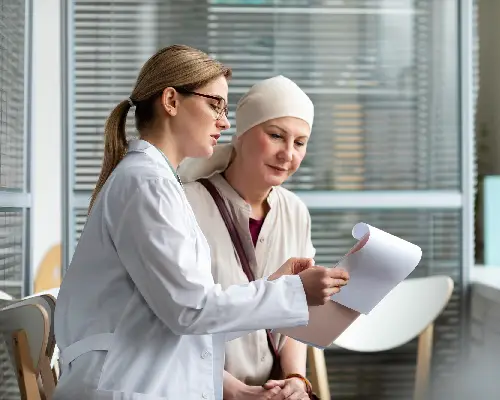
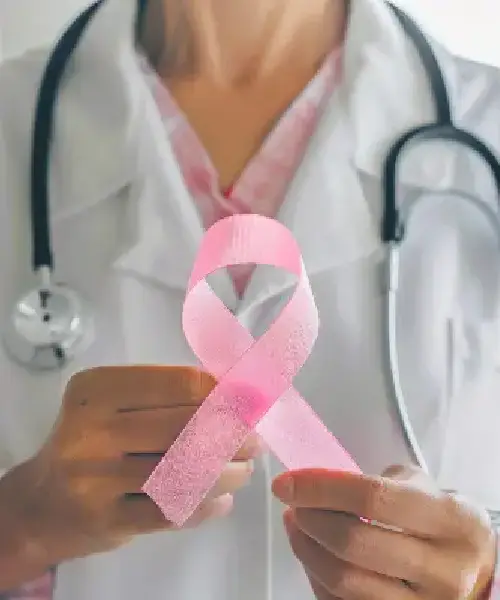
Oncology rehabilitation helps cancer patients regain physical strength, improve mobility, manage treatment-related side effects, and restore overall quality of life during and after cancer treatment. Rehabilitation plays an important role in supporting recovery, independence, and emotional well-being.
At our centre, we provide comprehensive oncology rehabilitation services with personalised therapy programs, supportive care, and multidisciplinary guidance tailored to each patient’s recovery journey.
Rehabilitation plans are personalised based on the type of cancer, treatment received, physical condition, and recovery goals.
Rehabilitation Evaluation & Planning
Personalised Rehabilitation Planning
Personalised Chemotherapy Planning
Functional Recovery Assessment
Rehabilitation Therapies
Physiotherapy & Mobility Training
Lymphedema Management
Pain & Fatigue Management
Speech & Swallowing Therapy
Occupational Therapy
Recovery & Patient Support
Cancer recovery often requires ongoing physical and emotional support. Our multidisciplinary team provides compassionate rehabilitation care focused on restoring independence, improving comfort, and enhancing overall well-being throughout recovery.
Oncology rehabilitation is specialised supportive care designed to help cancer patients recover physically, emotionally, and functionally during and after treatment.
Patients experiencing weakness, pain, mobility issues, fatigue, swelling, or reduced daily functioning after cancer treatment may benefit from rehabilitation.
Yes. Rehabilitation can help improve independence, physical function, emotional well-being, and overall quality of life.
Take the First Step Towards Early Detection
Comprehensive oncology rehabilitation can help restore strength, mobility, confidence, and quality of life after cancer treatment. Early rehabilitation support plays an important role in long-term recovery and well-being.