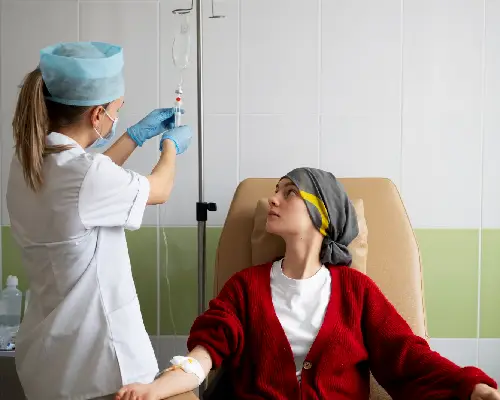
Chemotherapy is one of the most commonly used cancer treatments that helps destroy cancer cells, control cancer growth, and reduce the risk of recurrence. It may be used alone or combined with surgery, radiation therapy, immunotherapy, or targeted therapy depending on the type and stage of cancer.
At our centre, we provide personalised chemotherapy treatment plans with advanced cancer care, supportive therapies, and continuous monitoring to ensure safe and effective treatment outcomes.
Chemotherapy treatment is planned based on the type of cancer, stage, overall health, and individual treatment goals.
Medical Oncology Evaluation
Cancer Assessment & Staging
Personalised Chemotherapy Planning
Treatment Monitoring
Types of Chemotherapy
Intravenous (IV) Chemotherapy
Oral Chemotherapy
Neoadjuvant Chemotherapy
Adjuvant Chemotherapy
Palliative Chemotherapy
Recovery & Patient Support
Cancer treatment can be physically and emotionally challenging. Our multidisciplinary team provides compassionate support, counselling, rehabilitation guidance, and patient-centred care throughout the chemotherapy journey.
Chemotherapy itself is usually not painful, although some patients may experience temporary discomfort during treatment administration or side effects afterward.
Common side effects may include fatigue, nausea, hair loss, reduced immunity, appetite changes, and weakness. Side effects vary depending on treatment type.
Many patients can continue routine activities with proper rest and supportive care, although energy levels may vary during treatment.
Take the First Step Towards Early Detection
Timely chemotherapy treatment can help control cancer, improve outcomes, and support recovery. Early consultation and personalised cancer care play an important role in effective treatment planning.